Different techniques of hair grafting
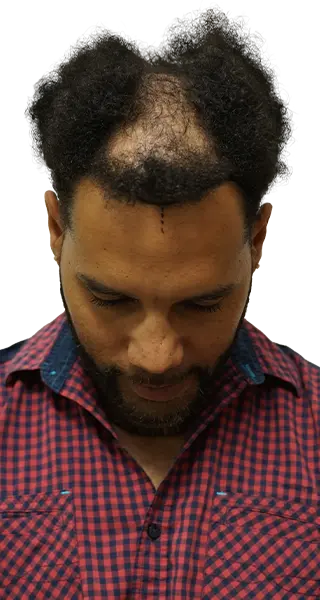
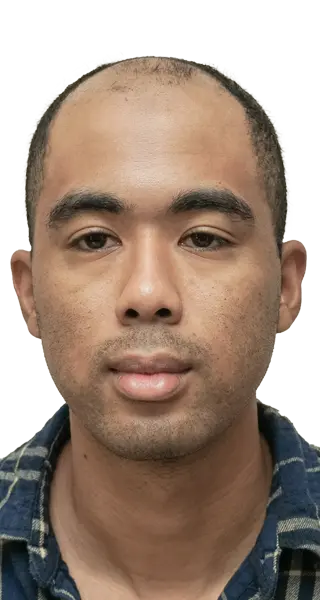
There are primarily two techniques used in hair grafting: Follicular Unit Extraction (FUE) and Direct Hair Implantation (DHI). Each method has unique features that may appeal to different patients, depending on their needs and conditions.
FUE hair grafting
FUE hair grafting is a minimally invasive technique that involves extracting individual follicular units from the donor area. This method is favored for its ability to produce natural results while minimizing scarring and downtime. Recovery is usually quicker than with FUT, allowing patients to return to their normal activities faster. FUE is particularly beneficial for those who prefer shorter hairstyles, as the risk of scarring is significantly lower. It is also applicable for eyebrow and beard transplants, showcasing its versatility.
DHI hair grafting
DHI, or Direct Hair Implantation, is an advanced technique that takes FUE a step further. With DHI, the surgeon uses a specialized tool to implant the hair follicles directly into the recipient area without creating prior incisions. This method allows for increased precision in placing the grafts and can result in a denser coverage. The DHI technique typically requires fewer sessions than traditional methods and is known for its quicker recovery time. However, it is essential to consult with a qualified provider to understand its suitability for individual cases.
How many grafts per hair transplant?
The number of grafts required for a hair transplant can vary significantly depending on the extent of hair loss and the desired density. On average, patients may receive anywhere from 1,000 to 4,000 grafts in one session. A thorough consultation with a hair restoration specialist will determine the specific needs based upon the individual’s hair restoration goals. Ultimately, the goal is to achieve a natural-looking hairline and adequate coverage in bald areas. The specialist may use tools like 3D imaging to visualize potential outcomes based on the number of grafts.

Hair grafting planning
How many hair grafts do I need?
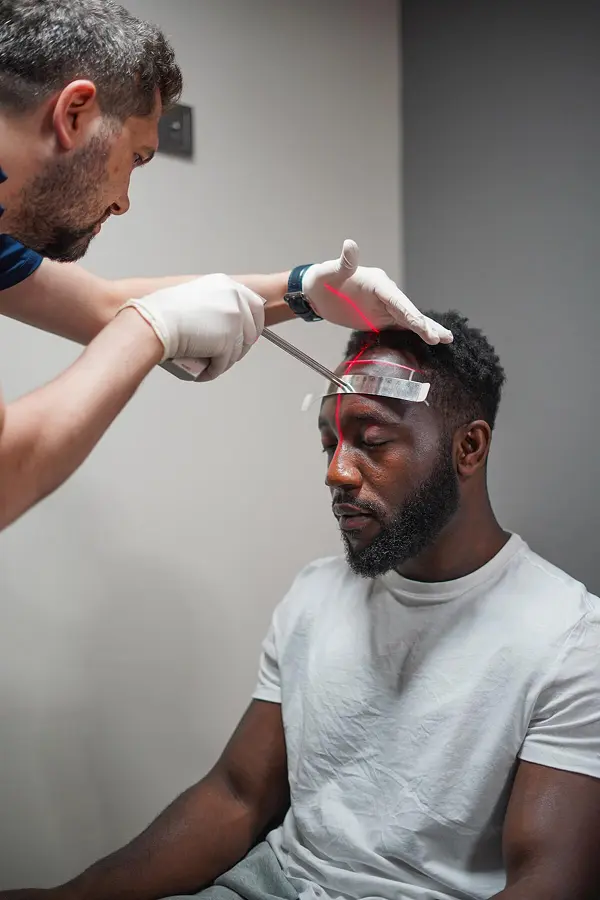
Determining the number of grafts needed is a personalized process. The number of hair grafts needed depends on the severity of hair loss, the size of the balding area, and individual hair characteristics. Most hair restoration specialists employ a detailed evaluation system to estimate graft counts based on individual cases. Additionally, patients seeking hair grafting should also consider their expectations for density and hairline design, as these elements influence the overall number of grafts required for a successful procedure. Our graft calculator tool is designed to provide prospective patients with an estimate of how many grafts they might need for their hair transplant surgery. Use the hair graft calculator above to estimate the number of grafts needed for your procedure and compare costs across different destinations.
Factors influencing number of hair grafts
Extent of hair loss and desired coverage
Individuals with advanced hair loss typically require more grafts compared to those in earlier stages.
Hair density
Higher hair density may reduce the number of grafts needed for coverage, while lower density may increase graft requirements.
Hair follicle characteristics
Factors like hair shaft thickness and curliness can influence the number of grafts needed for optimal results.
Surgeon’s skill and experience
A skilled, experienced surgeon may achieve better coverage with fewer grafts than a less experienced practitioner.
Donor hair quality
Strong, healthy donor hair can provide better coverage with fewer grafts, whereas weak or damaged donor hair may require more grafts for satisfactory results.
How much does hair grafting cost?
The cost of hair grafting varies significantly based on several factors, including the technique used, the number of grafts required, the geographic location of the clinic, and the surgeon’s experience. On average, patients might expect to pay between €2,580 and €12,880 for the procedure. It is advisable for individuals considering hair grafting to inquire about all potential costs during the initial consultation to avoid unexpected expenses. Make use of the hair graft & cost calculator above to estimate cost for your hair transplant operation.
Benefits of hair grafting compared to other treatments
Hair grafting presents several advantages over alternative treatments such as topical medications or laser therapy. Firstly, it offers a permanent solution to hair loss, while other treatments may require ongoing use to maintain results. Additionally, the results of hair grafting are often immediate and measurable once the hair begins to grow. Moreover, hair grafting is tailored to each individual, allowing for personalized treatment that addresses specific concerns. Patients appreciate the natural appearance achieved through grafting, as transplanted hairs continue to grow like their natural hair.
What to expect during the hair grafting process
During the hair grafting procedure, patients can expect an initial consultation where they discuss their goals and review their hair loss pattern. On the day of the procedure, anesthesia is administered, ensuring comfort throughout the operation. The procedure itself can take several hours, depending on the number of grafts being transplanted.
Post-procedure, patients may experience minor discomfort or swelling, but follow-up care instructions from the surgeon will help manage these symptoms effectively. Adequate recovery is essential for optimal results.
Potential risks and complications of hair grafting
While hair grafting is generally safe, it is essential to recognize potential risks and complications. These can include infection, scarring, and unnatural hair growth patterns. However, with proper research and selection of a qualified surgeon, the likelihood of these complications can be minimized.
Patients should be proactive in discussing any concerns with their surgeon during the consultation, ensuring clarity on what to expect and how to care for their newly transplanted hair.
Long-term results: What to anticipate after hair grafting
Long-term results from a hair grafting procedure can be highly rewarding. Patients can anticipate natural-looking hair growth that can last for years, if not a lifetime, provided they take appropriate care of their hair and scalp. Regular check-ups with the hair restoration specialist can enhance the longevity of the results, allowing for adjustments or additional treatments as necessary to maintain appearance. This proactive approach aids in ensuring sustained confidence for those struggling with hair loss.