Key Takeaways
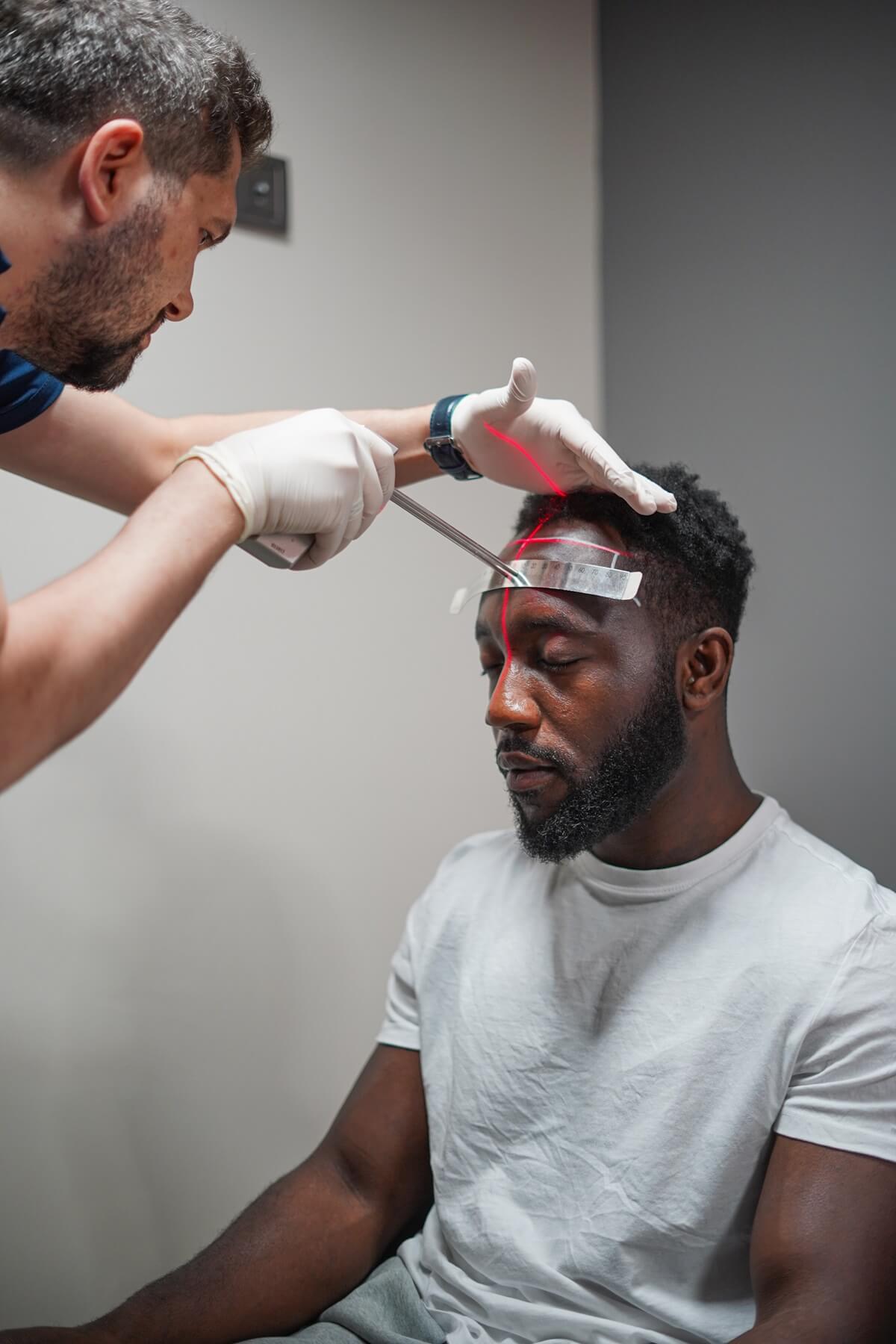
The Concept: Creating a hairline is an art form. It frames the face and defines how natural the transplant looks.
The Factors: Surgeons analyze face shape, age, and gender (e.g., men often have recessed corners, women have rounded lines) to customize the design.
The Technique: To avoid a fake “doll-like” look, doctors use single hair grafts at the front and create “micro-irregularities” (zig-zags) to mimic nature.
The Golden Ratio: Facial proportions (the Rule of Thirds) are measured to place the hairline at the most aesthetically pleasing height.
The Agreement: The design is drawn on your scalp before surgery. You and the surgeon must agree on it before the procedure starts.
Importance of Hairline Design in Transplants
Hairline design is a pivotal aspect of hair transplantation that significantly influences the overall outcome of the procedure. An aesthetically pleasing hairline can enhance a person’s appearance, boost confidence, and provide a more youthful look. The careful planning and design of the hairline are crucial since it often serves as the visual foundation of one’s facial features.
In the realm of hair transplants, the hairline not only defines the forehead’s upper limit but also sets the tone for how natural the results will appear. Hence, understanding the importance of hairline design cannot be overstated for both patients and practitioners.
Moreover, the intricacies of hairline design involve a deep understanding of facial anatomy and individual characteristics. Each person’s face is unique, and factors such as age, gender, and ethnic background play a significant role in determining the ideal hairline. For instance, a youthful hairline typically has a more rounded and softer contour, while an older hairline may exhibit a more receded and straighter appearance. Skilled practitioners take these nuances into account, ensuring that the hairline complements the patient’s overall facial structure and personal style.
Additionally, advancements in hair transplant technology, such as Follicular Unit Extraction (FUE) and Direct Hair Implantation (DHI), have revolutionized the way hairlines are designed and executed. These techniques allow for greater precision and control, enabling surgeons to create more natural-looking hairlines with minimal scarring. The ability to place individual hair follicles at varying angles and densities further enhances the realism of the transplant, making it essential for practitioners to stay updated on the latest methods and trends in hair restoration. This ongoing education not only benefits the surgeon but ultimately leads to better outcomes for patients seeking to restore their hairlines.
Key Factors to Consider for an Ideal Hairline
Creating an ideal hairline involves several factors that contribute to its natural appearance and suitability for the patient. These factors include:
- Age: The hairline must align with the age of the individual; younger patients might prefer a lower hairline, while older patients may benefit from a more recessed line.
- Face Shape: Different face shapes require varying hairline designs. A round face may suit a soft, rounded hairline, while a square face could benefit from a more angular approach.
- Hair Type: The density and texture of hair are also vital. Thinner hair may necessitate a different hairline design compared to denser types, as it impacts visibility and the appearance of fullness.
Each of these components plays a crucial role in achieving a hairline that complements one’s facial features harmoniously.
The Role of Facial Structure in Hairline Design
Facial structure acts as a guiding principle in determining an appropriate hairline design. A well-designed hairline will enhance the natural contours of the face and contribute to a balanced appearance. Key elements to consider include:
- Forehead Size: A wider forehead may require a different hairline approach compared to a narrower one.
- Jawline Definition: A strong jawline can influence the hairline’s angle and curvature.
- Crown Shape: The shape of the crown and where the hairline meets the crown can significantly affect overall aesthetics.
By analyzing these structural components, practitioners can create a personalized hairline that enhances each individual’s facial attributes.
Common Hairline Styles and Their Suitability
Various hairline styles cater to different preferences, ages, and facial structures. Some common styles include:
- Straight Hairline: Typically best for younger individuals, this style creates a clean and sharp look.
- Soft, Curved Hairline: This style is suited for those looking for a natural appearance. It works well with various face shapes.
- Widow’s Peak: A widow’s peak adds character and is often chosen by those with specific face shapes.
Choosing the right hairline style involves a thorough consultation with a hair transplant specialist, who can offer insight into which design will best suit each individual’s unique features.
The Impact of Age on Hairline Design Choices
Age plays a significant role in hairline design considerations. Younger adults often have different expectations and aesthetics compared to older individuals. For instance, younger patients may desire a more youthful, lower hairline, while older patients might opt for a design that accommodates natural recession patterns.
Moreover, as individuals age, they may experience changes in their hair texture and density, which should be factored into the design process. Understanding the connection between age and hairline design choices is essential for achieving results that feel natural and Age-appropriate.
Techniques for Achieving Natural-Looking Hairlines
Several advanced techniques are employed to create natural-looking hairlines during hair transplants. These techniques include:
- Sapphire FUE (Follicular Unit Extraction): Sapphire FUE method involves using sapphire blades to make incisions during the transplant procedure. Sapphire tips allow accurate and close transplantation of hair follicles, thereby providing a natural look, less crusting and faster healing.
- PRP (Platelet-Rich Plasma) Therapy: Used to stimulate hair growth and improve the quality of the transplanted hair.
- Stem Cell Hair Treatment: Stem cell hair transplants harness the regenerative potential of stem cells to stimulate hair growth and combat hair loss.
- Hairline Design Software: Technology such as 3D modeling aids surgeons in visualizing potential outcomes before the procedure begins.
These techniques combined ensure that the final hairline seamlessly blends into the patient’s natural hair and facial structure.
Innovations in Hair Transplant Technology and Design
Innovation continues to redefine hair transplant technology, enhancing the ability to design and execute successful hairline transplants. Recent advancements, such as robotic systems for hair follicle extraction and advanced imaging techniques, have improved both precision and patient satisfaction.
These innovations not only streamline the procedural aspects but also contribute significantly to the aesthetic outcomes, presenting patients with hairlines that appear naturally integrated with their overall look.
Post-Transplant Care for Maintaining Hairline Integrity
After the transplantation, proper post-care is crucial for maintaining the integrity of the new hairline. Patients are often advised to follow a specific care routine that includes:
- Gentle cleansing of the scalp to prevent irritation.
- Avoiding direct sunlight and strenuous activities for a period.
- Regular check-ups with the hair transplant surgeon to monitor recovery.
By adhering to these guidelines, patients can significantly enhance the longevity and natural appearance of their newly designed hairline.
Patient Testimonials: Success Stories in Hairline Design
Many individuals have found transformative outcomes from hair transplant procedures, citing successful hairline designs as game-changers in their confidence and aesthetic appeal. These testimonials often express newfound freedom in hairstyle choices and a significant boost in self-esteem.
Consulting with Experts: Finding the Right Hairline for You
Ultimately, consulting with experts is key to achieving a successful hairline design. A skilled hair transplant surgeon will evaluate individual factors such as facial structure, hair type, and personal preferences. They can offer tailored advice to develop a hairline that complements the patient’s unique features and aesthetic goals.
Medical Disclaimer: This guide to hairline design for hair transplants outlines the hairline design process. Medically reviewed by the FixedAbroadal Board.

Dr. Zafer Çetinkaya is a hair transplant doctor with over 10 years of experience in the hair transplant industry. Throughout his professional life, he's left his artistic impact on over 10,000 hair transplant patients, both in operation and consultation. | HAIR TRANSPLANT SURGEON | Surgical Team Lead, Hair Transplant (FUE & DHI), Beard Transplant | Istanbul Faculty of Medicine (2011), Istanbul Medipol University (2015) | Graduated from the Istanbul Faculty of Medicine in 2011 After his graduation, he served as an ER doctor between 2011 and 2013 for 2 years during his compulsory service period. Between 2013 and 2014, he performed his service as a workplace practitioner. Since 2014 he has started to work in the hair transplantation and restoration field. To improve and expand his operational capacity, he attended the Mesotherapy Application Certificate Program at İstanbul Medipol University and became an expert on Mesotherapy and PRP in 2015. His knowledge and expertise in the FUE and DHI techniques, such as Sapphire, ICE FUE, and hybrid methods, are comprehensive, making him well-versed in modern hair transplantation methods. He obtained the Certificate of Achievement by attending the Seminary–Workshop of Ultra V held on 15th and 16th February 2020 to follow up on the medical developments in HT. He also participated in the Medical Aesthetics Regional Meeting in March 2020 to expand his knowledge and catch new techniques, tools, instruments, and methods.
Related posts
-
Hair Transplant Brazil vs Turkey: Cost & Procedure Comparison
October 16, 2024
-
Neograft FUE Hair Transplants: Create the Happy New You
March 16, 2023
-
Ruud Gullit Hair Transplant
September 15, 2020